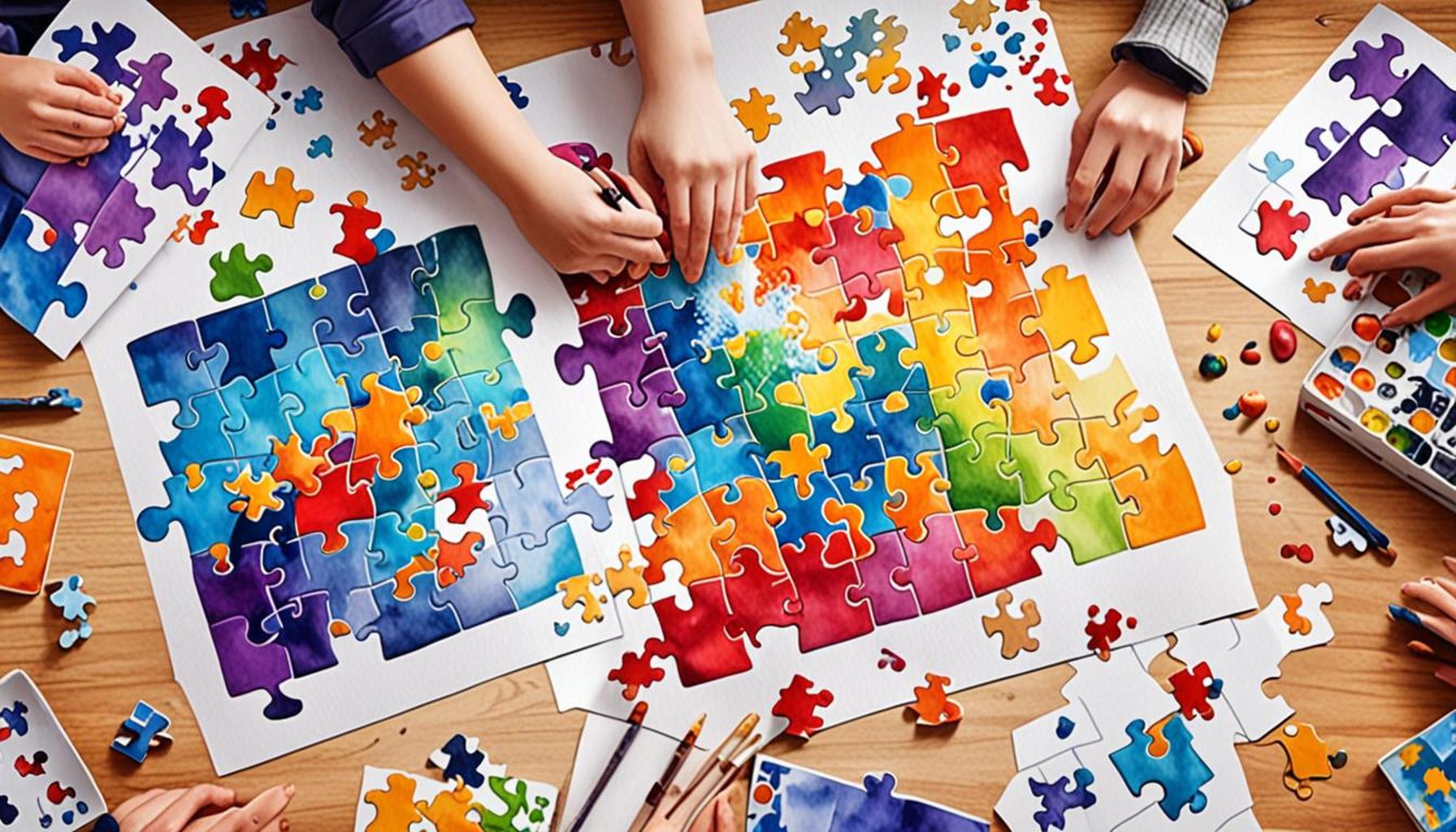
Unveiling Strategic Thinking through Puzzles: Skills for Real Life
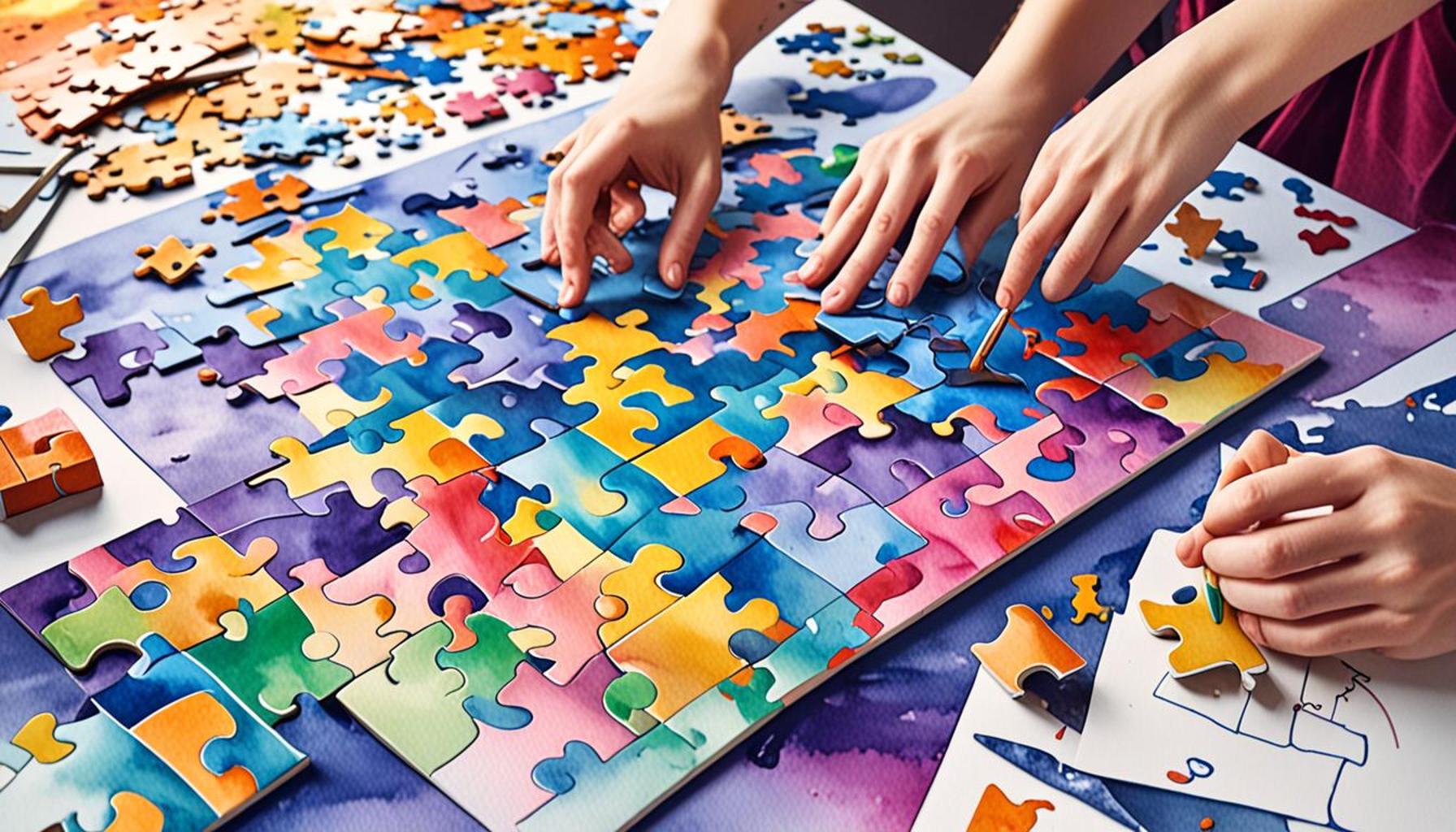
Unlocking the Power of Puzzles
Puzzles extend beyond being simple forms of entertainment; they serve as powerful tools for cultivating strategic thinking. In our fast-paced world, where quick problem-solving and innovative solutions are essential, embracing puzzles can significantly sharpen the skills necessary for tackling real-life challenges.
Consider the multifaceted benefits of engaging with puzzles:
- Enhances Critical Thinking: Puzzles compel individuals to analyze various situations meticulously, fostering the ability to develop logical and effective solutions. For example, a person tackling a Sudoku puzzle must comprehend patterns and numerical relationships, which translates into strong analytical skills applicable to everyday problem-solving.
- Boosts Creativity: Engaging with complex puzzles often promotes out-of-the-box thinking. A classic example is a jigsaw puzzle; rearranging pieces requires not just spatial awareness but also imaginative foresight, encouraging solvers to envision the completed picture from fragmented pieces.
- Builds Patience: Working through challenging puzzles nurtures attributes such as persistence and patience. This resilience is crucial not only in puzzle-solving but also in coping with life’s challenges, teaching individuals that some situations require time and dedication to resolve.
In Nigeria, the participation in traditional games like drafts or contemporary puzzles such as crosswords creates opportunities for vastly enriching experiences. These activities not only foster cognitive development but also encourage social interaction among individuals. The communal nature of playing drafts with friends or family members can strengthen bonds while simultaneously honing strategic thinking skills. The ultimate objective is to unveil how working through these challenges can resonate with essential everyday skill sets.
The Connection to Real Life
As we delve deeper into this topic, we will explore how the skills developed through puzzles can apply to various aspects of life:
- Professional Settings: Problem-solving is a critical skill in the workplace. Engaging in puzzle-solving techniques can aid professionals in developing strategies for complex projects, navigating tight deadlines, and enhancing collaborative efforts with colleagues.
- Personal Relationships: Puzzles can reflect the necessity of navigating conflicts and negotiations effectively. Approaching disagreements with the same analytical mindset used in puzzle-solving can lead to more effective resolutions and improved interpersonal dynamics.
- Daily Decision Making: Making informed choices efficiently is paramount. The ability to break down decisions into manageable components, much like analyzing a puzzle, fosters better judgment in everyday scenarios, from financial planning to time management.
Join us on this journey as we uncover the strategic thinking behind puzzles and explore their profound relevance to our daily lives. Engaging with puzzles is not merely about solving for enjoyment; it is about harnessing the skills developed through this engagement to enhance our overall approach to life’s myriad challenges.
SEE ALSO: Click here to read another article
Bridging the Gap: Puzzles in Professional Settings
In today’s competitive job market, the ability to solve problems efficiently and creatively is a hallmark of successful professionals. Enter the world of puzzles, where the practice of strategic thinking through enjoyable challenges can translate into invaluable workplace skills. Whether it’s a complex logic puzzle or a simple crossword, engaging with these brain teasers fosters essential cognitive competencies that can significantly boost career prospects.
One of the most compelling connections between puzzles and the workplace is the skill of strategic planning. For instance, consider a project manager who regularly solves intricate puzzles—this person is likely to excel in developing project timelines and resource allocations. Similar to completing a puzzle, effective project management requires a clear understanding of how pieces fit together to achieve a larger goal. Mastering this skill through puzzles can lead to greater clarity and strategic foresight in day-to-day corporate decision-making.
Furthermore, puzzles cultivate team collaboration. Workplace dynamics often necessitate collaborative efforts, where diverse skills come together to solve complex issues. When teams participate in puzzle-solving activities, they not only enhance their individual analytical skills but also learn to communicate and collaborate effectively. This dynamic interaction fosters a stronger sense of unity and shared purpose, essential for any successful organization. Team-building exercises involving puzzles can promote better understanding and camaraderie among colleagues, preparing them for complex projects that require seamless cooperation.
Developing Leadership Qualities
Interestingly, puzzles can also shape leadership qualities in individuals. A leader often needs to evaluate different viewpoints and make sound judgments under pressure—a skill sharpened through regular engagement with puzzles. For example, a person who enjoys chess, which involves strategic planning and anticipating an opponent’s moves, can develop a keen sense of foresight, enabling them to make informed decisions while leading a team. This kind of analytical mindset, honed through puzzle-solving, becomes essential when navigating the complexities of modern business challenges.
In Nigeria, as businesses evolve, the necessity for leaders who can think strategically and adaptively is more pressing than ever. Employers are increasingly looking for candidates who can demonstrate critical thinking and problem-solving capabilities—skills that can be refined through dedicated puzzle engagement. For aspiring professionals in the Nigerian job market, integrating puzzle-solving into their routine can effectively differentiate them from their peers, granting them a competitive edge.
A Transformative Impact Beyond Work
The benefits of puzzles extend beyond professional environments; they seep into personal relationships and everyday decision-making as well. By developing a strategic mindset through puzzles, individuals can approach life situations with heightened awareness and understanding. Conflict resolution, for example, mirrors the strategies used in puzzles—analyzing different facets of a situation and piecing them together to find a resolution. Whether negotiating with a colleague or managing family dynamics, the skills cultivated through puzzle-solving present practical solutions in real-world scenarios.
As we continue to explore the lessons we can learn from puzzles, it becomes evident that these engaging challenges are not merely a source of entertainment; they are profound instruments for developing strategic thinking that is applicable across various facets of life. So, let’s delve deeper into how these attributes contribute to more effective decision-making and enrich our personal and professional lives.
Enhancing Problem-Solving Skills
Puzzles not only serve as a source of entertainment but also play a crucial role in enhancing problem-solving skills. Engaging with various puzzles, such as crosswords or logic games, allows individuals to confront challenges and devise strategies for resolution. This practice promotes critical thinking, a vital component in both personal and professional spheres. When facing challenges in the workplace, the ability to break down complex tasks and approach them methodically is invaluable, providing a competitive edge.
Fostering Cognitive Flexibility
In the ever-changing landscape of daily life, cognitive flexibility is essential. Puzzles encourage individuals to think outside the box and adapt their strategies as new information or obstacles emerge. This adaptability extends beyond puzzle-solving and into real-world scenarios, allowing individuals to navigate life’s unpredictability with greater ease. Cognitive flexibility is particularly beneficial in collaborative environments, where the ability to adjust one’s thinking based on team dynamics can lead to more effective outcomes.
Promoting Patience and Perseverance
Working through puzzles often requires patience and perseverance, traits that are critical when it comes to tackling larger life challenges. As individuals encounter setbacks during their puzzle journeys, they learn to remain steadfast, cultivating a resilient mindset. This resilience translates into everyday situations, encouraging individuals to persist in their goals despite obstacles they may face. Developing this mental fortitude is essential for overcoming personal and professional challenges alike.
Building Focus and Concentration
In a world filled with distractions, the ability to maintain focus is becoming increasingly rare. Engaging with puzzles is an excellent way to improve one’s focus and concentration. The immersive nature of puzzle-solving forces individuals to dedicate their attention fully to the task at hand. This practice not only enhances cognitive skills but also helps in managing daily tasks more effectively, resulting in increased productivity in various areas of life.
| Category | Key Features and Benefits |
|---|---|
| Problem-Solving Skills | Enhances critical thinking and strategizing abilities. |
| Cognitive Flexibility | Encourages adaptability in various situations. |
| Patience and Perseverance | Develops resilience to overcome life’s challenges. |
| Focus and Concentration | Improves attention span and task management. |
ADDITIONAL INSIGHTS: Expand your understanding here
The Cognitive Benefits of Puzzle Solving
Engaging with puzzles does more than just entertain; it actively stimulates the brain, promoting essential cognitive functions. Among these, enhanced problem-solving abilities stand out as a vital asset in every aspect of life. This benefit is particularly relevant in a rapidly evolving marketplace, where critical thinking skills are increasingly sought after. Puzzle solving enables individuals to approach problems methodically, breaking them down into manageable parts. For instance, a software developer tackling a coding error can apply the same strategic steps used in complex puzzles to identify, analyze, and rectify issues efficiently.
Moreover, research suggests that regular engagement with puzzles can improve memory retention. As individuals solve riddles or navigate labyrinths, they often rely on memory to recall previously learned strategies and pathways. In Nigeria’s growing tech industry, where innovations come at a fast pace, professionals must possess strong memory skills to retain and apply new information. Incorporating memory-driven puzzles, such as Sudoku or memory card games, into one’s routine can lead to sharper cognitive acuity and better information recall under pressure.
Creativity and Cognitive Flexibility
Puzzles also play a crucial role in fostering creativity and cognitive flexibility. Solving puzzles often requires the ability to think outside the box and approach challenges from multiple angles. A marketing professional, for example, can benefit immensely from this skill when brainstorming creative campaigns. By navigating through different puzzle types, such as jigsaw puzzles that demand spatial reasoning and lateral thinking, individuals develop a mindset that embraces innovation and adaptive thinking—qualities that are highly prized in any dynamic work environment.
Furthermore, cognitive flexibility enhances the ability to switch between ideas or tasks—an increasingly important skill in the age of multitasking. According to a recent study published in the Nigerian Journal of Applied Psychology, engaging in activities that promote cognitive flexibility can lead to better workplace performance and improved decision-making, particularly in high-stress situations where time constraints challenge one’s ability to think clearly.
Real-Life Applications of Puzzle Skills
The real-world applications of the skills developed through puzzle-solving are vast. For instance, consider an entrepreneur looking to launch a startup in Nigeria’s bustling e-commerce landscape. The ability to foresee potential customer behaviors and market trends—akin to anticipating moves in a strategic game—can provide a competitive edge. Entrepreneurs engaging in puzzles can enhance their forethought, enabling them to design innovative strategies that cater to evolving consumer demands.
Additionally, for young professionals entering the marketplace, solving puzzles can serve as a preparation tool for interviews and assessments, where quick thinking and sharp analytical skills are routinely tested. Many multinational companies operating in Nigeria utilize aptitude tests as part of their recruitment process. Candidates who regularly engage with puzzles are often able to navigate these assessments with ease, demonstrating their proficiency in logical reasoning and strategic problem-solving.
The undeniable connection between puzzles and strategic thinking invites individuals to recognize the potential for personal development across various life dimensions. By harnessing the cognitive benefits derived from puzzles, we not only prepare ourselves for professional challenges but also enrich our personal lives, making informed decisions that positively impact our futures.
SEE ALSO: Click here to read another article
Conclusion: Embracing the Power of Puzzles for Strategic Development
In a world where strategic thinking is more critical than ever, embracing the cognitive benefits of puzzles can significantly enhance both personal and professional growth. As outlined in the previous sections, the skills acquired through engaging with various puzzles go beyond mere entertainment; they are essential tools for navigating the complexities of real-life challenges. The ability to enhance problem-solving capabilities, boost memory retention, and cultivate creativity empowers individuals to face the fast-paced demands of today’s job market, particularly in Nigeria’s ever-evolving sectors like technology and marketing.
Puzzles not only sharpen our minds but also encourage a mindset that thrives on adaptability and innovation. As young professionals gear up for the competitive landscape, the strategic thinking honed through regular puzzle-solving can provide a distinct advantage during recruitment processes and practical challenges alike. It equips individuals with the foresight to anticipate trends, make informed decisions, and approach obstacles with confidence.
Ultimately, by incorporating puzzles into daily routines, individuals in Nigeria and beyond can unlock a treasure trove of skills applicable across various life dimensions. From enhancing workplace performance to enriching personal well-being, the strategic thinking fostered through puzzles lays a robust foundation for a future characterized by critical insight and dynamic problem-solving. So, whether it’s through a Sudoku, a classic riddle, or a challenging jigsaw puzzle, the key lies in consistently embracing the puzzles around us to prepare for the strategic challenges that lie ahead.