How Puzzles and Mental Challenges Can Increase Emotional Intelligence in Children
Unlocking Emotional Intelligence through Puzzles
In today’s fast-paced world, emotional intelligence has emerged as a vital skill for children. It helps them navigate social complexities, manage their feelings, and build healthy relationships. One engaging way to bolster this ability is through puzzles and mental challenges. Activities such as these not only entertain but also serve as educational tools that strengthen the foundation of emotional growth.
Research indicates that activities requiring critical thinking and problem-solving can significantly enhance children’s ability to understand their own emotions and those of others. In a society where interpersonal communication often takes a back seat to digital interactions, enhancing emotional intelligence through hands-on activities becomes increasingly important. The key benefits of integrating puzzles into a child’s daily routine include:
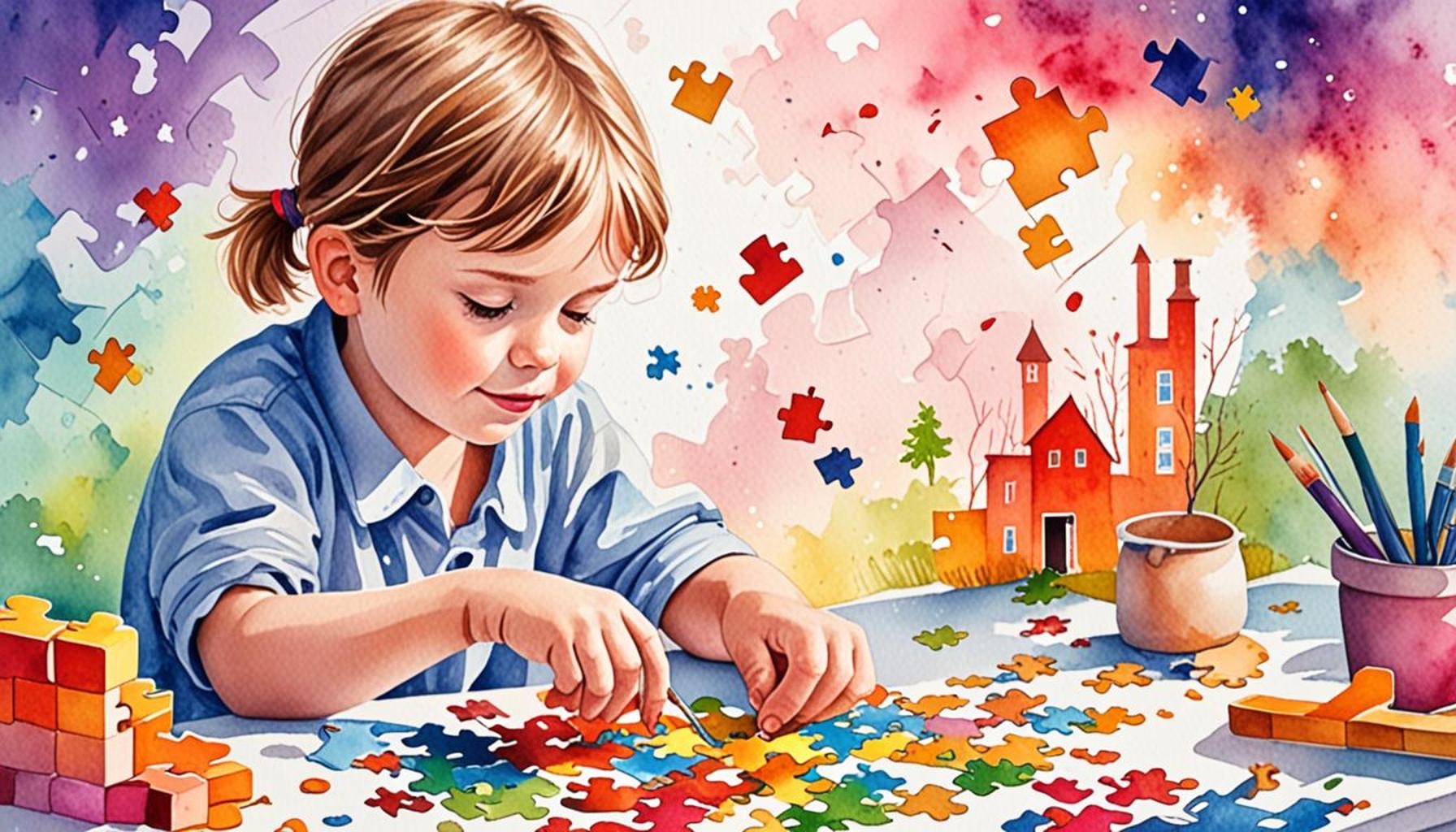
- Improved problem-solving skills: Engaging in puzzles encourages children to think critically. For example, solving a jigsaw puzzle requires not only visual-spatial skills but also the ability to strategize and foresee the outcome as they place each piece.
- Enhanced empathy: Working with peers on challenges helps build perspective-taking abilities. In collaborative puzzle-solving, children learn to appreciate different viewpoints, which is crucial in building relationships and fostering teamwork.
- Emotional regulation: The process of tackling difficult tasks teaches kids how to manage frustration and disappointment. For instance, when a child is faced with a challenging Sudoku, they learn resilience – the ability to persist in the face of difficulty, which is invaluable in later life challenges.
Puzzles come in various types, some of which are especially popular in Nigeria:
- Jigsaw puzzles: These require patience and determination. Many Nigerian households enjoy these as evening family activities, fostering togetherness while also developing emotional skills.
- Sudoku: Ideal for enhancing logical thinking. This puzzle can often be found in local newspapers or mobile apps, making it accessible for children to work on both alone and in groups.
- Word puzzles: Great for building vocabulary and language skills. Educational games like these are frequently incorporated in schools across Nigeria, forming a fun way for children to learn new words while honing their emotional responses to others’ expressions.
By integrating these activities into playtime, parents and educators can foster not just cognitive skills but also vital emotional competencies. The social play that stems from solving puzzles promotes healthy emotional interactions, which can pave the way for children to become empathetic individuals in adulthood. This article delves further into how engaging in mental challenges can nurture a child’s emotional intelligence, encouraging curious minds to explore the world around them while enhancing their innate capability to understand and connect with others.
YOU MAY ALSO LIKE: Read read another article
Engaging Minds, Building Hearts: The Role of Puzzles
Puzzles and mental challenges do more than merely entertain; they act as powerful tools for developing emotional intelligence in children. In a country like Nigeria, where traditional values often intersect with modern influences, introducing puzzles as a means of emotional development can provide children with an edge in navigating their social environments. These activities serve as gateways to understanding complex feelings, fostering crucial life skills that will benefit them long into adulthood.
One of the standout advantages of puzzles is their capacity to promote critical thinking. For example, when children engage in a game of chess or attempt a challenging riddle, they begin to assess situations from various angles. This multifaceted approach not only sharpens their analytical skills but also invites them to pause and reflect on their emotional reactions. Are they frustrated when a solution doesn’t come easily? Or are they excited by the challenge? Through such self-assessment, children cultivate a deeper understanding of their feelings.
Additionally, puzzles often require collaboration, making them perfect tools for enhancing empathy. In group settings, such as family game nights or school activities, children learn to share ideas and listen to others’ perspectives. For instance, when building a Jigsaw puzzle together, they must communicate effectively, sharing opinions on which pieces fit where. This collaborative effort provides essential lessons in teamwork and respect, showing children that everyone’s viewpoint matters. Such emotional experiences can be significantly impactful, particularly in a diverse social context like Nigeria, where varying cultural backgrounds offer rich opportunities for dialogue and understanding.
Furthermore, engaging in challenging tasks helps children develop emotional regulation. The inevitable setbacks inherent in puzzle-solving, such as failing to find the right piece or struggling with a tough math problem, teach young learners how to manage disappointments. Children learn to cope with the feelings that arise from frustration and the importance of persistence. As a result, they foster resilience, essential for overcoming adversity later in life. Learning to keep calm in the face of difficulty equips them with a toolkit for handling emotional highs and lows far beyond the world of puzzles.
Incorporating puzzles into children’s routines may not only serve as a fun pastime; it is an investment in their emotional future. Here are some popular options that resonate well with Nigerian children:
- Assembled Puzzles: These encourage patience and strategic thinking, perfect for evening family bonding.
- Logic Games: Games like chess or checkers that require balance between offensive and defensive strategies are quite popular.
- Language and Number Puzzles: Exercises such as crossword puzzles can also boost their verbal skills while enhancing emotional expression through language.
Through these engaging activities, parents and educators in Nigeria can seamlessly integrate emotional intelligence development into children’s daily practices. The benefits of honing such skills through puzzles offer a bright path toward emotionally intelligent individuals capable of building strong relationships and positively impacting their communities.
| Advantage | Details |
|---|---|
| Empathy Development | Engaging in puzzles fosters a child’s ability to recognize and consider others’ emotions, enhancing their empathic skills. |
| Problem-Solving Skills | Mental challenges encourage analytical thinking, which is crucial in navigating social interactions and resolving conflicts. |
Exploring how puzzles and mental challenges elevate emotional intelligence in children unveils a captivating intersection between cognitive growth and emotional understanding. For instance, when children work through a challenging puzzle, they not only practice critical thinking but also learn to read the room, sensing frustration or triumph among their peers. These emotional cues are vital in developing empathy, allowing kids to connect with others on a deeper level.In addition, solving complex problems hones their problem-solving skills, a necessity in any social landscape. These competencies enable children to handle conflicts effectively, as they learn to weigh various outcomes, anticipate reactions, and approach discussions constructively. By immersing children in such intellectually stimulating activities, we set the stage for a more emotionally intelligent generation, adept at navigating the nuances of human interaction and relationships.
ADDITIONAL INSIGHTS: Expand your understanding here
The Power of Problem-Solving: Enhancing Social Skills
Beyond mere intellectual engagement, puzzles and mental challenges serve as remarkable platforms for cultivating social skills in children. In Nigerian communities, where social interactions are deeply rooted in culture, the ability to communicate and relate with peers is crucial. The collaborative nature of puzzles offers children the opportunity to practice these essential skills in varied contexts.
When children tackle a puzzle together, they encounter the need for negotiation. For instance, if two children have differing opinions on how to place pieces of a jigsaw puzzle, they must engage in dialogue to reach a compromise. This interaction teaches vital lessons about articulating thoughts, understanding other perspectives, and finding a middle ground. As they navigate through disagreements, children develop a heightened sense of mutual respect, crucial for fostering long-lasting friendships.
Moreover, puzzles instill the importance of patience. In fast-paced environments, particularly in urban Nigerian settings, children often experience pressure to achieve quick results. Engaging in puzzles forces them to slow down and appreciate the process, allowing them to contemplate their emotions as they encounter challenges. The effort they invest in these tasks correlates with a deeper understanding of self-compassion. Recognizing that it is acceptable to make mistakes during gameplay encourages children to extend kindness toward themselves and others, ultimately promoting a nurturing approach to relationships.
The connection between puzzles and self-esteem can also not be overlooked. Successfully completing a challenging puzzle provides children with a sense of accomplishment. This success fosters a growth mindset, encouraging them to tackle more complex challenges. For children in Nigeria, who may face various societal pressures, the boost in self-esteem derived from successfully navigating puzzles can translate into greater confidence in their everyday interactions and future endeavors. This newfound assurance lays the foundation for forming trusting relationships, both personally and in academic settings.
Incorporating culturally relevant puzzles can further enhance their impact. For example, playing traditional board games like “Ludu” or “Ayo” involves strategy and collaboration which offer similar cognitive and emotional benefits. Such games not only connect children to their heritage but also infuse cultural nuances into their learning process, making emotional intelligence development more relatable. In addition, the increasing availability of mobile puzzle games tailored to Nigerian children showcases the potential of digital platforms in fostering emotional learning through engaging stimuli.
The role of creativity in puzzle-solving cannot be understated either. Many puzzles require children to think outside the box, which encourages imaginative thinking. For instance, when faced with a unique challenge, children may have to brainstorm multiple solutions, expanding their cognitive horizons and building resilience. In a landscape where creativity is a sought-after skill, this ability to innovatively solve problems contributes to emotional intelligence, enhancing their adaptability in diverse situations.
Ultimately, the interplay between puzzles and emotional intelligence is a fascinating journey. As Nigeria continues to embrace modernity while honoring traditional values, integrating puzzles into children’s everyday experiences provides an enriching pathway to emotional growth. In doing so, children not only enhance their cognitive abilities but also cultivate the interpersonal skills necessary for thriving in their communities and beyond.
SEE ALSO: Click here to read another article
Conclusion: The Comprehensive Benefits of Puzzles for Emotional Intelligence
In summary, puzzles and mental challenges play a pivotal role in increasing emotional intelligence in children by promoting essential skills such as empathy, communication, patience, and resilience. Through engaging in collaborative problem-solving activities, children learn to articulate their thoughts and navigate interpersonal conflicts. These vital experiences not only enhance their social interactions but also contribute to a stronger sense of self-awareness and self-esteem.
As Nigerian children encounter a blend of cultural heritage and modern influences, incorporating locally relevant puzzles can deepen their emotional learning. Traditional games like “Ludu” and “Ayo” are more than just entertainment; they provide a rich context for teaching critical social values and fostering collaboration among peers. Additionally, the rise of digital platforms presents a modern twist on puzzles, making emotional growth accessible and appealing to today’s youth.
Furthermore, as children develop their creative and critical thinking skills through these challenges, they become better equipped to handle future challenges with greater confidence and adaptability. In an increasingly complex world, nurturing emotional intelligence through puzzles will prepare children not only for successful academic journeys but also for meaningful relationships and community engagement.
In light of these insights, parents and educators in Nigeria should embrace the integration of puzzles into children’s lives. Whether through traditional games, modern digital puzzles, or collaborative activities, the benefits extend far beyond mere entertainment, ensuring a generation of emotionally intelligent, well-rounded individuals ready to navigate the world with compassion and resilience.